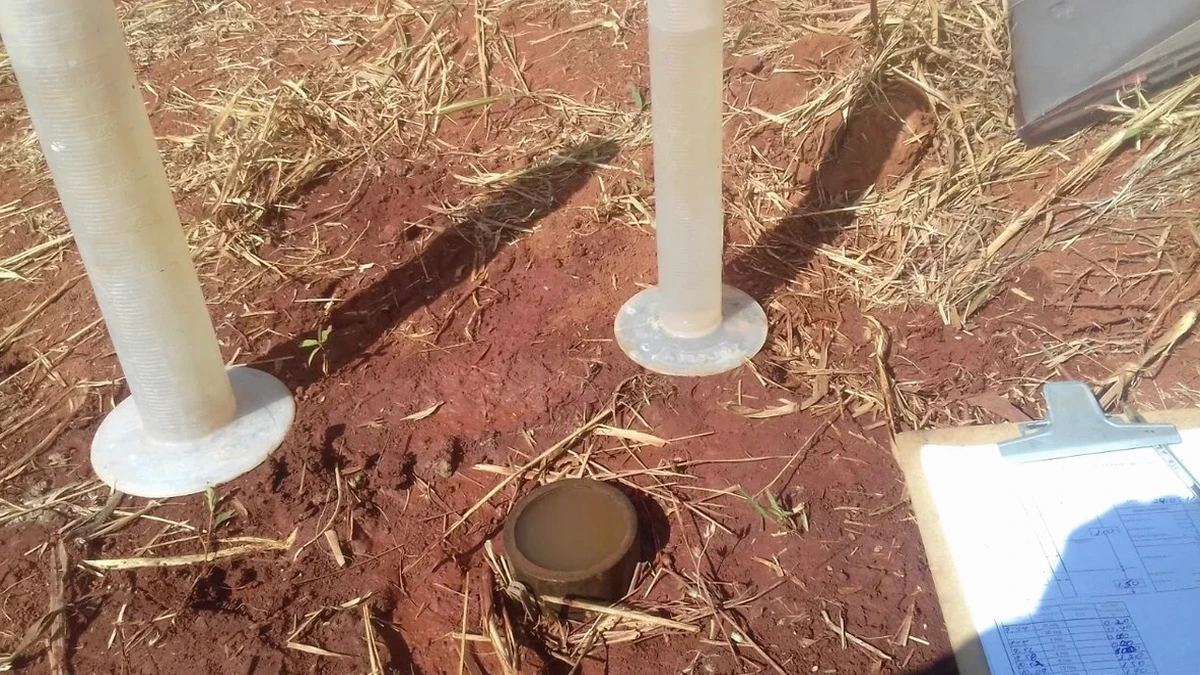
In Edmonton, the geotechnical context for in-situ testing is defined by complex Quaternary and Cretaceous deposits, including glaciolacustrine clay, till, and interbedded sand and gravel. The surficial geology features high-plasticity Lake Edmonton clay, which is susceptible to volume changes from moisture fluctuations. Understanding these conditions is critical because the clay's low permeability and high compressibility affect foundation performance. Additionally, buried channels and variable stratigraphy require continuous investigation. In-situ testing provides undisturbed stress-strain data that laboratory specimens may not capture due to sample disturbance. The region’s cold climate further complicates testing in frozen ground, necessitating special techniques for winter projects. Geotechnical professionals must correlate field results with local experience to design for bearing capacity, settlement, and slope stability in this challenging environment.
Common in-situ methods adhere predominantly to ASTM standards, with local modifications. Standard Penetration Testing (ASTM D1586) is routine for cohesionless soils but less reliable in Edmonton’s stiff clay. Cone Penetration Testing (ASTM D5778) offers continuous profiling, though corrected cone factors require local calibration. Vane shear (ASTM D2573) is preferred for undrained shear strength in saturated clay. Pressuremeter tests (ASTM D4719) assess horizontal modulus and limit pressure in till. Plate load tests (ASTM D1195) verify pavement and foundation modulus. ISO equivalents exist but are less used. Local practice follows Alberta Transportation’s Bridge Structure and Foundation Design directives. Tests must account for temperature effects, and specialized tools are deployed for frozen soil evaluation, reflecting Edmonton’s unique demand.
Adherence to rigorous standards ensures reliable data. ASTM methods provide the primary framework, but local guidelines—such as those by the Canadian Geotechnical Society and the Alberta Geotechnical Society—incorporate regional experience. Calibration of equipment to certified standards is mandatory; all tests must be performed by qualified personnel. In Edmonton, the severe freeze-thaw cycle means that test depth and timing are crucial, as active layer variations can skew results. Standards also address data reduction: for example, SPT blow counts require energy correction for hammer efficiency. Local regulations mandate that in-situ results be integrated with borehole logs and laboratory testing. These practices maintain consistency across projects, from residential subdivisions to downtown towers, ensuring safety and economic efficiency.
In-situ testing applications in Edmonton span shallow and deep foundation design, slope stability analysis, and pavement evaluation. For high-rise buildings, CPT and pressuremeter data estimate modulus and bearing capacity in till, while vane shear assesses clay strength for basements. Excavation support systems rely on in-situ horizontal stress measurements. In river valley developments, shear wave velocity tests via seismic CPT aid in seismic site class assessment, though liquefaction risk is low. Pressuremeter tests guide tunnel boring machines on the Valley Line LRT, providing ground reaction curves. For heavy haul roads and airport pavements, plate load tests verify subgrade modulus. Environmental applications include hydraulic conductivity profiling in clay for landfill liners. Each application demands integration of multiple test types to capture heterogeneous Edmonton soils.
Typical cases illustrate the necessity of robust in-situ programs. A high-rise project near the North Saskatchewan River utilized CPT with pore pressure measurements to delineate a buried sand channel, preventing differential settlement. Another case involved a residential subdivision on Lake Edmonton clay, where vane shear and oedometer tests from boreholes were insufficient; plate load tests were added to calibrate modulus for slab-on-grade design, reducing over-excavation. A slope remediation in the river valley employed seismic cone tests to map weak clay layers, informing drainage and soil nail design. For a proposed tunnel, pressuremeter tests in stiff till confirmed adequate face support pressures. Contaminated sites rely on in-situ permeability tests for ground water flow modeling. These examples underscore how placement-specific testing avoids conservative over-design.
Recommendations for effective in-situ testing in Edmonton emphasize method selection based on soil type, project scale, and budget. For cohesive clay, prioritize vane shear and pressuremeter tests; for granular soils, SPT and CPT with seismic modules are advised. Conduct tests during warmer months to avoid frost interference, or use heated probes in winter. Combine multiple methods: CPT provides stratigraphy, while SPT offers index correlations. Calibrate all correlations to local databases—published tables often misrepresent Edmonton’s till stiffness. Engage certified geotechnical engineers for interpretation, and always cross-reference with laboratory results. Avoid reliance on a single test type. For sensitive clay, plan careful setup to minimize disturbance. Continuous monitoring of data during fieldwork allows adaptive adjustments. These practices, grounded in local experience, yield reliable geotechnical parameters for safe and cost-effective design.
Available services
This service complements our laboratory testing work for a complete project analysis.