Foundation engineering in Edmonton is far more than simply placing concrete in the ground—it is a discipline shaped by the region's unique geology, extreme climate, and rigorous regulatory framework. The category of foundations encompasses the full lifecycle of below-grade structural support, from geotechnical investigation and soil-structure interaction analysis to detailed design, construction oversight, and long-term performance monitoring. In a city where winter temperatures routinely plunge below -30°C and frost can penetrate more than two metres deep, the integrity of a foundation system directly determines the safety, durability, and insurability of every building. Whether supporting a single-family home in a mature neighbourhood, a high-rise tower in the Ice District, or a heavy industrial facility in the Nisku corridor, foundation decisions must account for local conditions that are among the most demanding in Canada.
Edmonton's subsurface is dominated by glacial Lake Edmonton sediments, primarily composed of highly plastic, overconsolidated clay till interbedded with silt and sand lenses. These soils are notoriously moisture-sensitive, exhibiting significant volume change potential during seasonal wetting and drying cycles. Beneath the surficial deposits lie Cretaceous bedrock formations, including the Horseshoe Canyon and Bearpaw shales, which introduce their own challenges related to swelling, softening upon exposure, and variable bearing capacity. The presence of perched groundwater tables and artesian conditions in certain areas adds hydrostatic pressure considerations that must be addressed at the design stage. A thorough understanding of this stratigraphy is not optional—it is the starting point for any responsible foundation solution, and it is why geotechnical reports prepared by qualified professionals are mandatory before permits are issued.
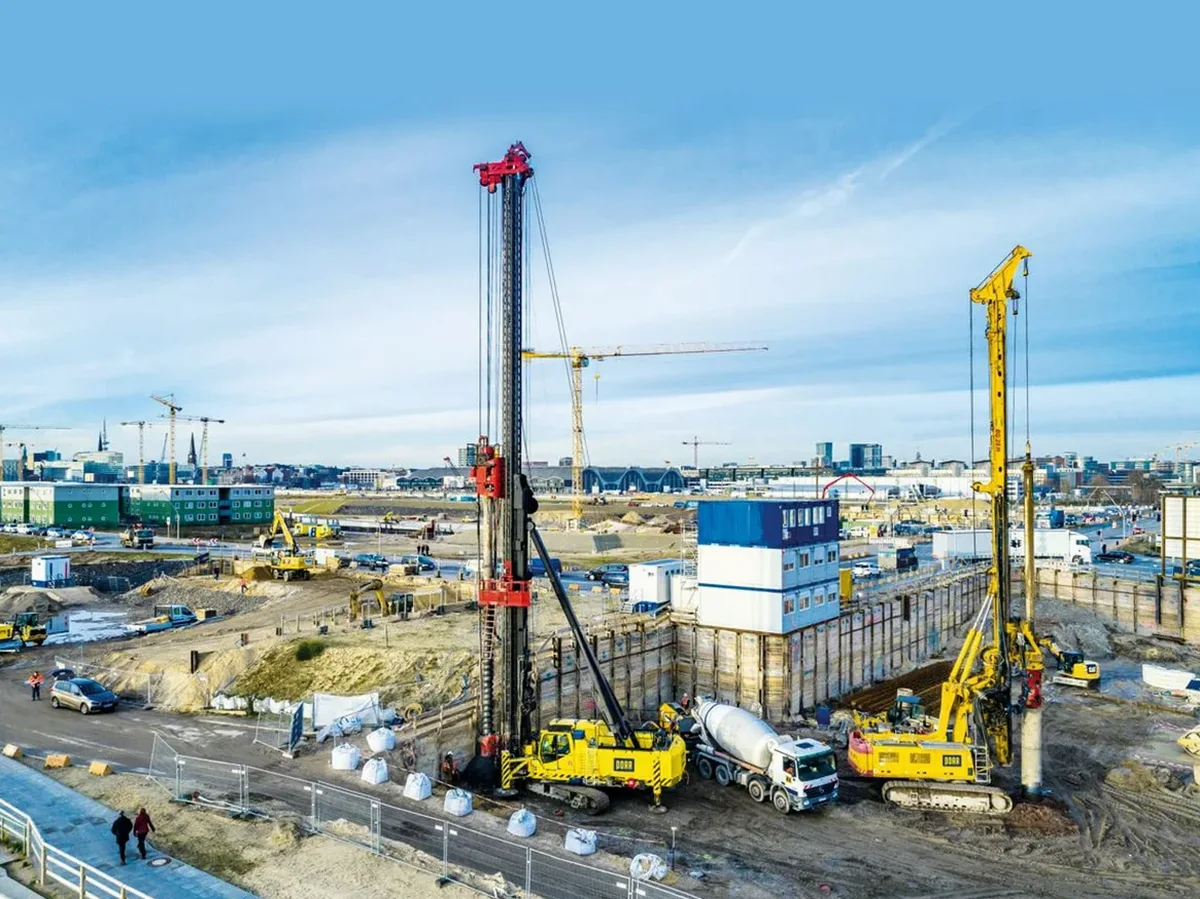
Regulatory compliance in Edmonton is governed by the Alberta Building Code, which adopts the National Building Code of Canada with provincial amendments. Foundation design must conform to CAN/CSA-A23.3 for concrete structures, CSA S16 for steel, and the Canadian Foundation Engineering Manual for geotechnical guidance. The City of Edmonton's Design and Construction Standards further stipulate minimum footing depths—typically 2.4 metres for frost protection—and require engineered designs for any foundation exceeding a prescriptive scope, including all deep foundations, excavations deeper than 3 metres, and structures on slopes steeper than 15%. Professional engineers licensed by APEGA must seal all foundation drawings, and special inspections are mandated during key phases such as base preparation, reinforcing steel placement, and concrete placement. For deep foundations like pile foundation design, additional requirements from CSA S500 and thermosiphon specifications for permafrost-affected zones may apply, even though Edmonton itself lies south of continuous permafrost.
The types of projects that demand specialized foundation expertise in Edmonton span the full construction spectrum. Low-rise residential builds often rely on stepped strip footings or thickened-edge slabs, but infill developments on narrow lots frequently require cantilevered or tied-back retaining walls to manage excavation shoring. Mid-rise commercial and institutional structures commonly employ drilled cast-in-place piles or driven steel H-piles to transfer loads through the compressible clay to competent bedrock, particularly where column loads are high or differential settlement must be minimized. Heavy industrial applications—such as oil and gas processing equipment, storage tanks, and crane bases—introduce dynamic and cyclic loading that demands advanced analysis of pile foundation design parameters including skin friction, end bearing, and group efficiency. Infrastructure projects like bridge abutments, LRT station foundations, and water reservoir bases further illustrate how deeply embedded foundation engineering is in Edmonton's built environment. Even temporary works, such as trench boxes and shoring systems, fall under the foundation umbrella and require engineering oversight to protect workers and adjacent properties.
Available services
Questions and answers
What are the minimum frost protection requirements for foundations in Edmonton?
The City of Edmonton requires a minimum footing depth of 2.4 metres below finished grade for frost protection, unless an engineered frost-protected shallow foundation design is approved. This depth accounts for the extreme winter climate and ensures that bearing soils remain below the freeze line throughout the season, preventing heave and structural distress.
When is a geotechnical investigation mandatory for a foundation project in Edmonton?
A geotechnical investigation is mandatory for all projects requiring an engineered foundation design under the Alberta Building Code, including deep foundations, excavations deeper than 3 metres, and structures on slopes. The City of Edmonton typically requires the report before issuing development or building permits, and it must be prepared by a qualified geotechnical engineer.
How do Edmonton's clay soils affect foundation performance?
Edmonton's glacial clay till is highly plastic and moisture-sensitive, leading to shrink-swell behaviour that can cause differential movement in shallow foundations. This necessitates proper drainage, consistent moisture control, and often deeper bearing depths or pile foundations to reach more stable strata and minimize long-term settlement issues.
What is the difference between shallow and deep foundations in local practice?
Shallow foundations, such as strip footings and raft slabs, transfer loads to near-surface soils and are common for low-rise residential projects with competent ground. Deep foundations, including driven piles and drilled shafts, bypass weak or compressible soils to bear on bedrock or dense till, and are required for high loads, poor surface conditions, or strict settlement control in Edmonton.