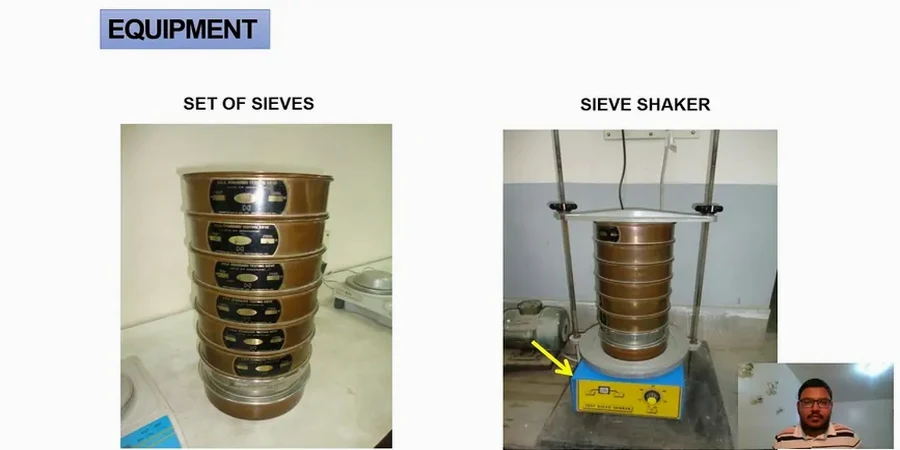
Geotechnical laboratory testing forms the backbone of any successful construction or infrastructure project in Edmonton, providing the quantitative data engineers need to design safe and durable structures. This category encompasses a wide range of standardized tests performed on soil and rock samples, from basic index properties to advanced strength and consolidation assessments. In Edmonton's dynamic development landscape, which spans from downtown high-rises to expansive suburban subdivisions, laboratory analysis is not a luxury but a fundamental requirement for understanding the ground beneath our feet. Key tests such as Atterberg limits define the plasticity characteristics of fine-grained soils, while grain size analysis (sieve + hydrometer) quantifies particle distribution to predict drainage and frost susceptibility.
Edmonton's unique geological setting makes rigorous laboratory testing particularly critical. The city is underlain by a complex sequence of glacial deposits, including the highly plastic Lake Edmonton clay and the dense, preglacial Saskatchewan Sands and Gravels. The near-surface geology is dominated by glacial till and glaciolacustrine sediments, which can exhibit significant variability over short distances. These soils often contain montmorillonite clays, making them highly sensitive to moisture changes and prone to swelling and shrinkage. Understanding these local conditions through laboratory analysis is essential to mitigate risks such as differential settlement beneath foundations, slope instability along the North Saskatchewan River Valley, and pavement distress due to seasonal freeze-thaw cycles.
All laboratory testing in Edmonton must comply with nationally recognized standards, primarily those published by the Canadian Standards Association (CSA) and the American Society for Testing and Materials (ASTM), as adopted and referenced by provincial and municipal regulations. The Alberta Building Code and City of Edmonton Design and Construction Standards dictate specific testing requirements for various project types. For instance, CSA A23 series governs concrete and aggregate testing, while ASTM D4318 is the standard for Atterberg limits. Adherence to these protocols ensures that test results are legally defensible, reproducible, and accepted by regulatory authorities for permit applications and development approvals.
The range of projects requiring laboratory services in Edmonton is vast. Major transportation initiatives like the Valley Line LRT expansion rely on detailed consolidation and triaxial shear tests to design bridge foundations and tunnel linings. Commercial and residential developers depend on routine moisture content, density, and Atterberg limits testing for footing design and to meet warranty requirements for new home construction. Industrial projects, such as tank farms in the Energy and Technology Park, require chemical compatibility testing of soils. Furthermore, environmental site assessments and remediation projects utilize grain size analysis (sieve + hydrometer) to model contaminant transport pathways, making the laboratory an indispensable partner in responsible land development across the capital region.
Questions and answers
What is the typical turnaround time for standard geotechnical laboratory tests in Edmonton?
Turnaround times vary by test complexity. Basic index tests like moisture content and Atterberg limits can often be completed within 3-5 business days. More time-consuming tests, such as consolidation or triaxial shear, may require 1-4 weeks due to lengthy saturation and loading phases. Rush testing is frequently available for time-sensitive projects, but scheduling in advance is recommended, especially during the busy summer construction season.
How should soil samples be handled and stored before delivery to the lab to ensure accurate results?
Samples must be preserved to maintain their in-situ condition. Thin-walled Shelby tube samples should be sealed with wax or plastic caps, kept upright, and stored in a humidity-controlled environment above freezing. Jar or bag samples for index testing should be sealed immediately to prevent moisture loss. It is critical to transport samples carefully to avoid disturbance, particularly for sensitive clays common in the Edmonton region, and to deliver them to the laboratory as quickly as possible.
What qualifications or certifications should a geotechnical lab in Edmonton hold?
A credible laboratory should hold certification from the Canadian Council of Independent Laboratories (CCIL) for the specific tests being requested, demonstrating proficiency and adherence to national standards. Key personnel should be registered with the Association of Professional Engineers and Geoscientists of Alberta (APEGA). The lab should also participate in regular inter-laboratory proficiency programs and be audited to standards like CSA A283, which qualifies labs for concrete and aggregate testing on Alberta Transportation projects.
Why are Atterberg limits testing and grain size analysis so important for construction in the Edmonton area?
These tests are vital for characterizing the region's prevalent glaciolacustrine clays and tills. Atterberg limits identify the moisture contents at which a soil changes from solid to plastic to liquid, directly correlating with swelling and frost heave potential. Grain size analysis reveals the proportions of clay, silt, sand, and gravel, which governs a soil's drainage capacity, bearing strength, and susceptibility to frost action—critical factors for designing durable foundations and pavements in Edmonton's freeze-thaw climate.